Sell Your Coins
We Buy All Gold, Silver and Platinum Coins

At Recycle Platinum, we specialize in helping customers sell platinum coins,
bars, and bullion
with confidence.
As a trusted platinum buyer, we also purchase palladium,
gold, and silver
coins—including bullion, proof, numismatic, and commemorative coins.
Our process is safe, simple, and fast. To get started, simply request a free appraisal kit and we'll walk you through each step.
Lock in your price today! Call us for a quote on the platinum or palladium coins you'd like to sell. Your quote will be recorded in your account, and our offer will be based on that day's live platinum market price, ensuring fair and transparent value for your metals.
Types of Coins We Buy
As a customer of Recycle Platinum, you can sell coins online using our secure and insured FedEx shipping. We accept all precious metal coins including but not limited to bullion, numismatic and commemorative coins.
Lock in your price today! Call us to get a quote for the platinum, gold, or silver coins you would like to sell.
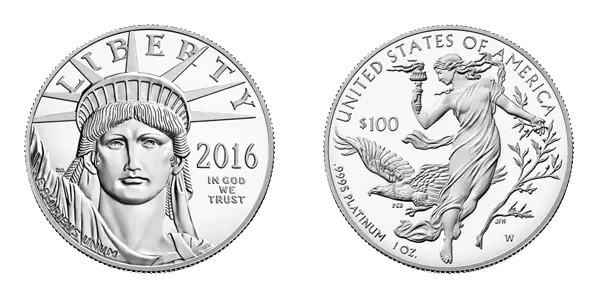
Domestic Coins
- Gold American Eagles
- Gold American Buffalo
- Pre-1933 US Gold Coins
- Platinum American Eagles
- Silver Dimes & Quarters
- Silver Half Dollars
- Liberty Gold Coins
- Gold Commemorative Coins
- American Silver Eagles
- Silver Eisenhower Dollars
- Morgan Silver Dollars
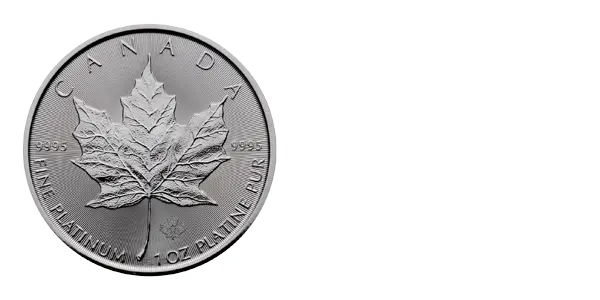
Foreign Coins
- Gold Maple Leaves
- Silver Maple Leaves
- Gold S.A. Krugerrands
- Platinum Maple Leaves
- Gold Austrian Philharmonics
- Gold Chinese Pandas
- Silver Chinese Pandas
- Gold Australian Kangaroos
- Silver Australian Koalas
- Gold British Britannia
- Gold Belgium Francs
Ready to sell your coins for top dollar? Click here to request your free appraisal kit.
Understanding Coin Types
A bullion coin is a coin purchased for investment, not circulation. Bullion coins are available in various weights and their precious metal content value will often exceed the face value of the coin.
The U.S. Mint produces two type of bullion coins: Uncirculated and Proof Coins.

Uncirculated Coins
Pristine coins never circulated, certified to maintain original luster and showing no signs of wear.

Proof Coins
Rare, expensive collector's coins struck twice for enhanced details with mirror-like backgrounds.

Numismatic Coins
Rare or valuable coins with collectible value that often exceeds their precious metal content.

Commemorative Coins
Special coins honoring American history, created to raise funds for museums and historical preservation.
Sell your precious metal coins today! Call to get a quote.
How Do You Know If Your Coin Is Authentic?
The more popular the coin, the more likely it is that there are counterfeits and replicas of it.
It was once thought that coins under $100 were too much work and money to replicate; however, coin collectors are now finding that Asia and elsewhere are creating fakes of all coins and denominations. So how do you tell if your coin is real?
Replicas
Replica coins are often souvenir or commemorative reproductions of well-known designs or historic events. These are usually made from non-precious metals and often show a small seam around the edge—a clear sign they were cast rather than minted.
Counterfeits
Counterfeit coins are made to deceive. They're typically produced with base metals instead of real platinum, palladium, gold, or silver. Under magnification, you might see small bubbles, uneven surfaces, or incorrect markings—all signs of a fake.
Alterations
Some coins are altered to appear more valuable. Changes may include polishing, plating, acid-etching, or adding or removing design details. Even genuine coins can lose collector value if they've been altered.
At Recycle Platinum, every item we evaluate—whether you're looking to sell platinum coins or sell palladium bullion—is carefully tested for authenticity, purity, and weight to ensure you receive a fair and accurate offer.
Grading and Authenticating Coins
When you're ready to sell platinum coins or other precious metal collectibles, understanding coin grading and authentication helps ensure you receive fair value. Independent grading companies evaluate coins to verify authenticity, assess condition, and provide confidence to both buyers & sellers in the market.
At Recycle Platinum, we accept
all graded coins
—
including those made
of
platinum, palladium, gold, and silver.
As a trusted platinum
buyer, we make it
simple to sell
platinum or sell palladium coins with confidence.
Call us today at (800) 538-8188
to
discuss the
details of your collection.
ANACS: The First Coin Grading Service
Coin grading began in the 1970s with ANACS (American Numismatic Association Certification Service), created to protect the integrity of the coin industry. Each coin was examined for authenticity and given a grade for its condition.
PCGS and NGC: Today's Leading Experts
By the mid-1980s, PCGS (Professional Coin Grading Service) and NGC (Numismatic Guaranty Corporation) became the industry leaders. These services authenticate and encapsulate coins in tamper-proof holders with certified grades — helping ensure transparency and buyer trust.
Subjectivity: The Human Element
Like diamond grading, coin evaluation involves expert opinion. Two coins of the same grade can still differ slightly in quality based on a grader's assessment and market standards.
Evolving Standards
Over time, grading standards have become stricter — a trend collectors call "gradeflation." A coin graded decades ago might receive a lower grade if evaluated today under modern standards.
Common Coin Gradings - What Do They Mean
When you sell platinum coins or other precious metal collectibles, understanding coin grading can help you better gauge value before working with a trusted platinum buyer like Recycle Platinum.
- Grading provides a standardized way to describe a coin's condition and overall quality -
The Sheldon Scale
Coins are typically assigned an abbreviation and a number between 1 and 70 on the Sheldon Scale. For example, "MS" (Mint State) indicates an uncirculated coin, while "BU" (Brilliant Uncirculated) or "Unc." (Uncirculated) also refer to coins that show no wear, though they may still have small imperfections.
Mint State Grades (MS-60 to MS-70)
Lowest Uncirculated
The lowest grade considered uncirculated. May show poor strike quality, dull luster, or discoloration.
Most Common Range
Most uncirculated coins fall within this range, displaying minor marks or surface issues but maintaining good eye appeal.
Modern Premium
Modern bullion and commemorative coins—including platinum and palladium coins—often grade between MS-68 and MS-69.
Perfect Coin
Represents a flawless, perfect coin, free of any visible blemishes even under magnification.
Proof Coins (PR-69 / PR-70)
You may also see coins marked with "PR" (Proof), which refers to the method of striking rather than condition. Proof coins are specially minted with high detail and mirror-like surfaces. Their grades appear as PR-69 or PR-70, following the same quality standards as Mint State coins.
Do you have an authentic coin your looking to sell?